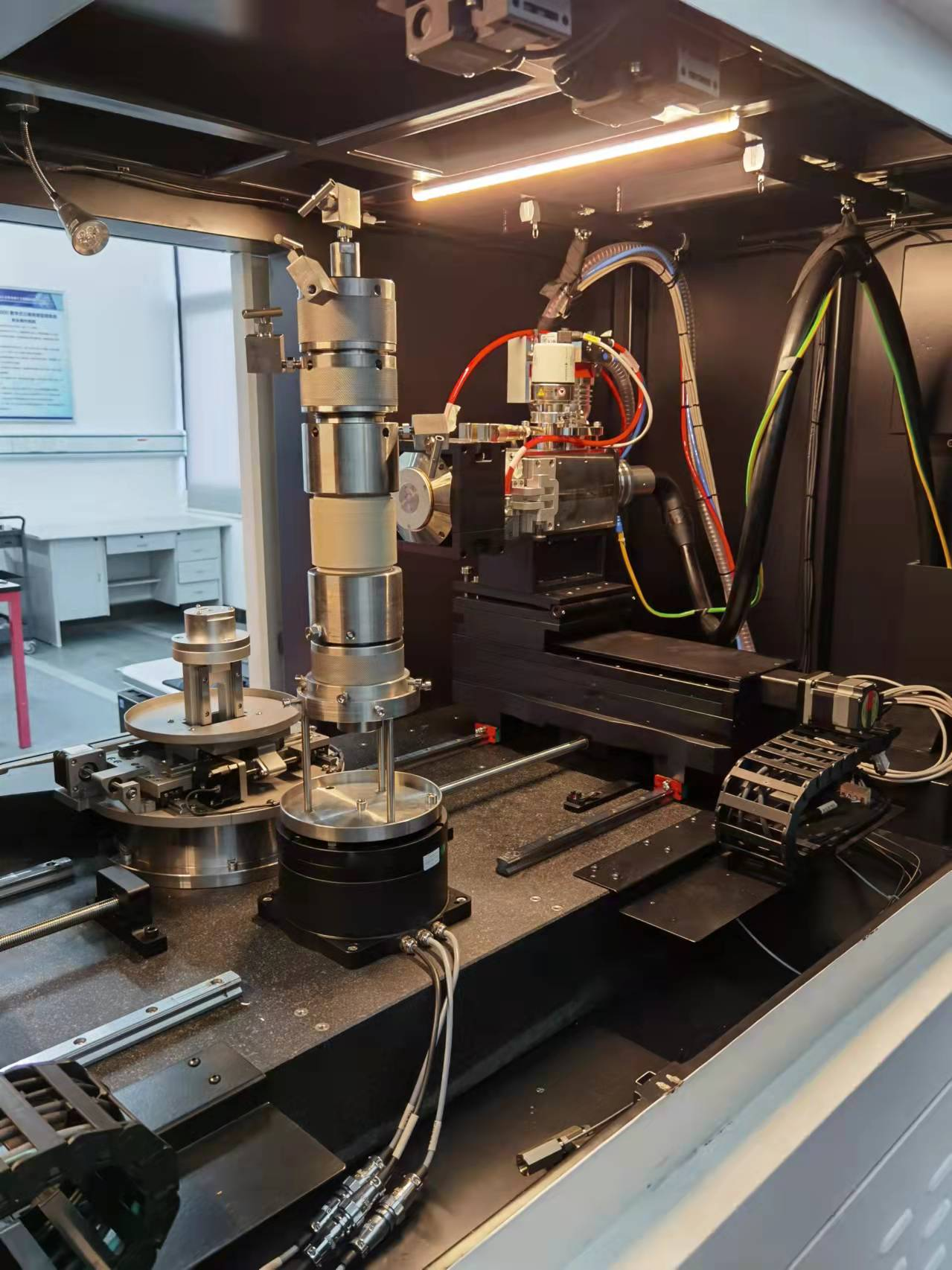
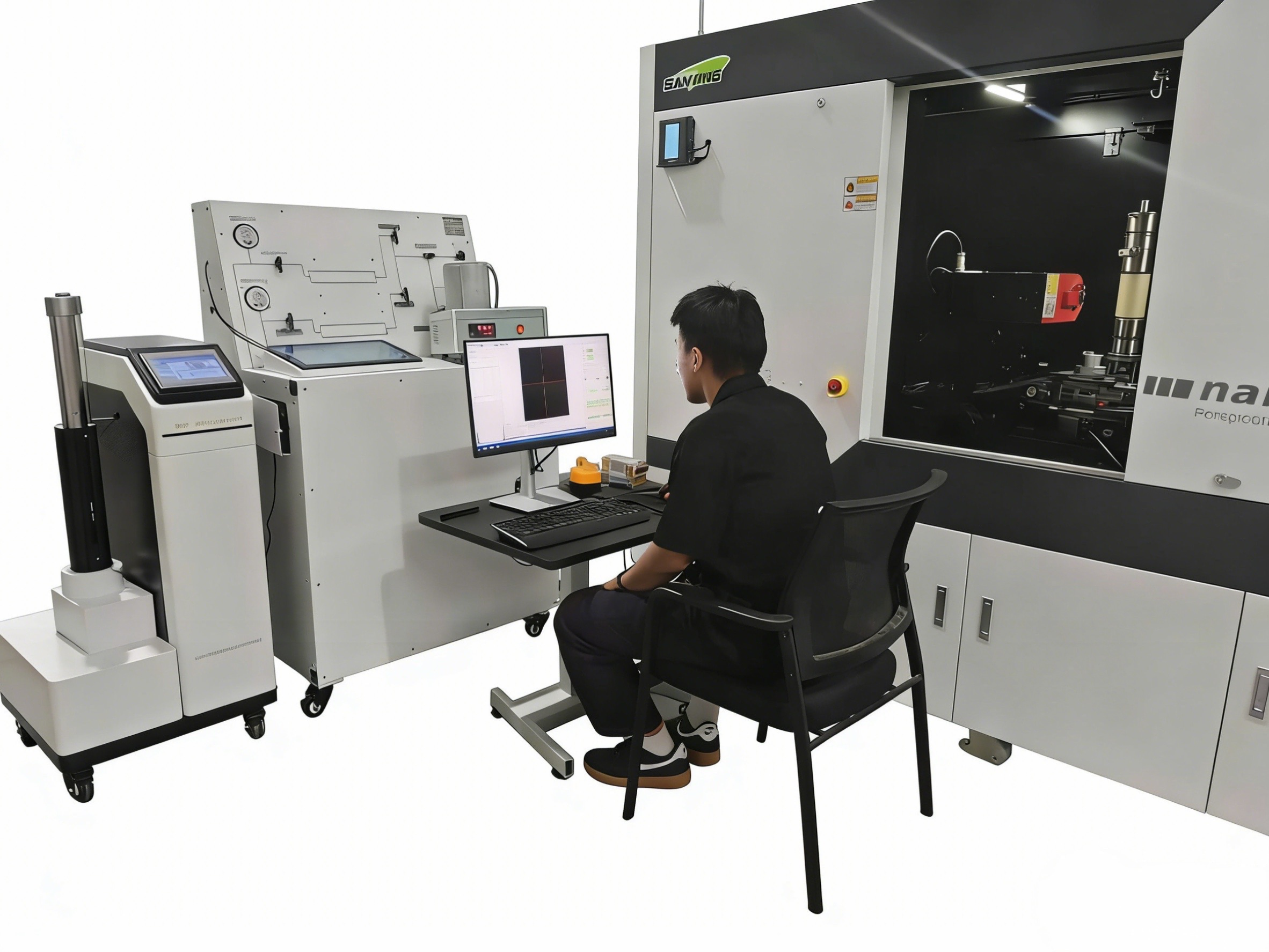
Equipment Overview
This system was independently developed by the research team of the National Key Laboratory for Intelligent Construction and Healthy Operation & Maintenance of Deep Underground Engineering at China University of Mining and Technology. It is designed to meet the experimental requirements for investigating multi-field coupling responses of rock masses under complex deep geological environments.
The system enables simultaneous application of temperature, seepage flow, and stress fields during X-ray CT scanning, realizing real-time visualization and quantitative characterization of internal structural evolution in rocks, together with coupled mechanical–seepage analysis.
It overcomes the limitation of conventional experimental methods in which structural characterization and physical property measurements are performed separately.
The system can be used for in-situ, continuous, and quantitative analysis of pore-fracture evolution, seepage behavior, and mechanical responses of porous media under thermo-hydro-mechanical coupling conditions.
Main Technical Specifications
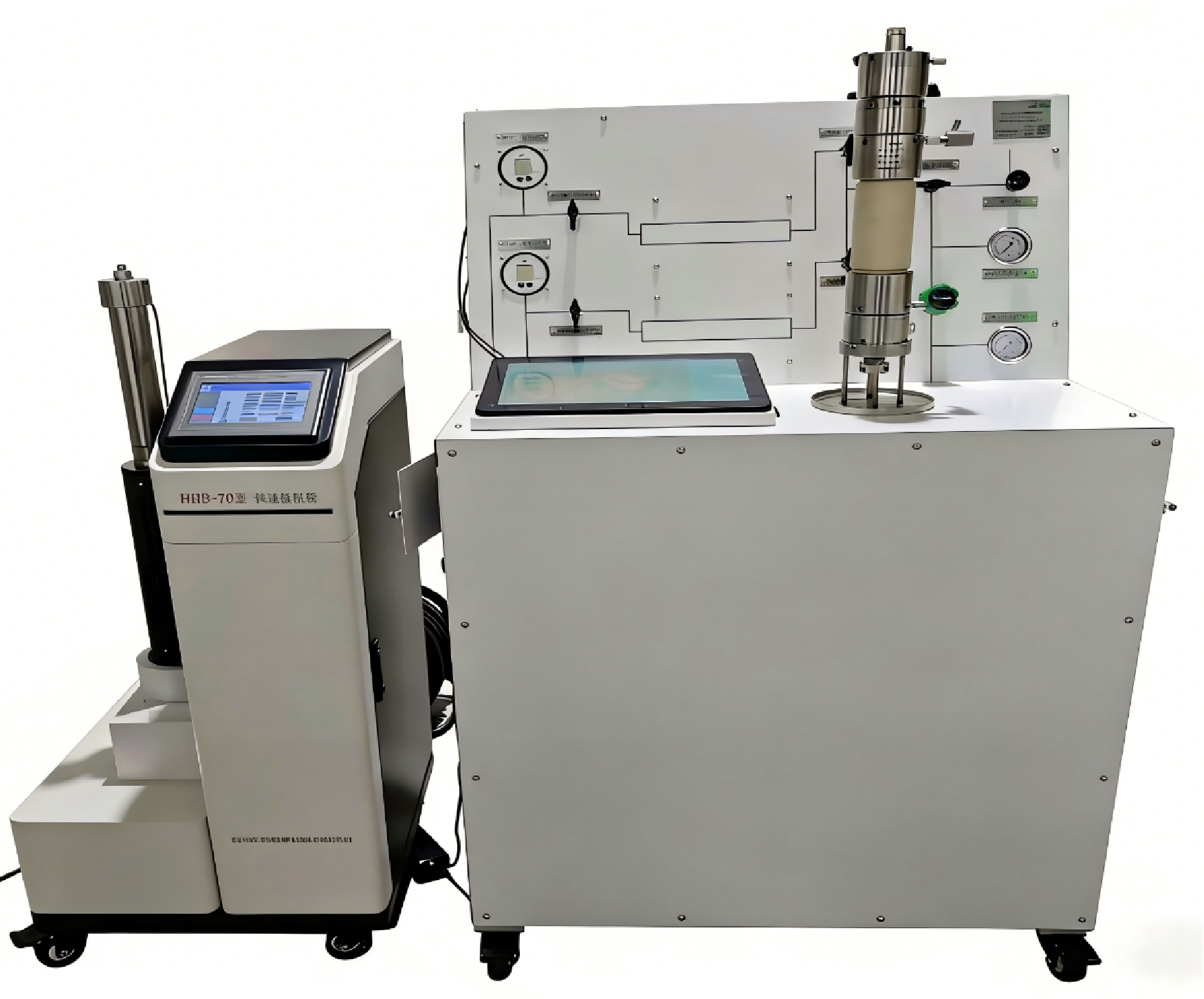
Equipment Overview
This system was independently developed for precise characterization of porous media transport properties, gas migration behavior, and breakthrough processes.
The system can be connected with different types of core holders and triaxial pressure cells to perform coupled measurements of permeability and mechanical responses under various stress-path conditions.
It enables quantitative measurement of gas permeability, pressure decay characteristics, gas breakthrough pressure, and gas migration processes.
Applications include coalbed methane, shale gas, tight sandstone gas, gas extraction, nuclear waste geological disposal, and CO₂ geological storage.
Main Technical Specifications
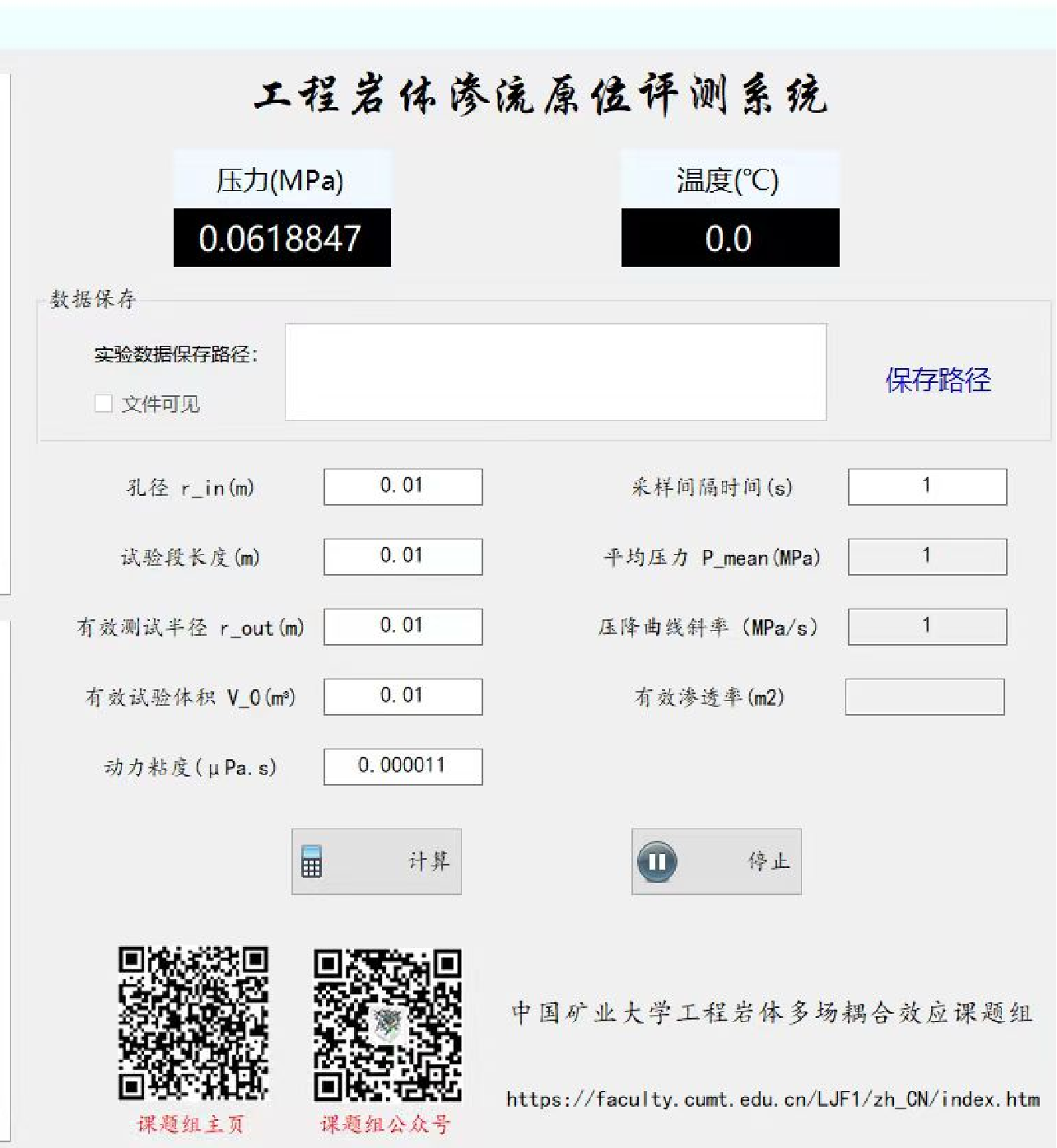
Equipment Overview
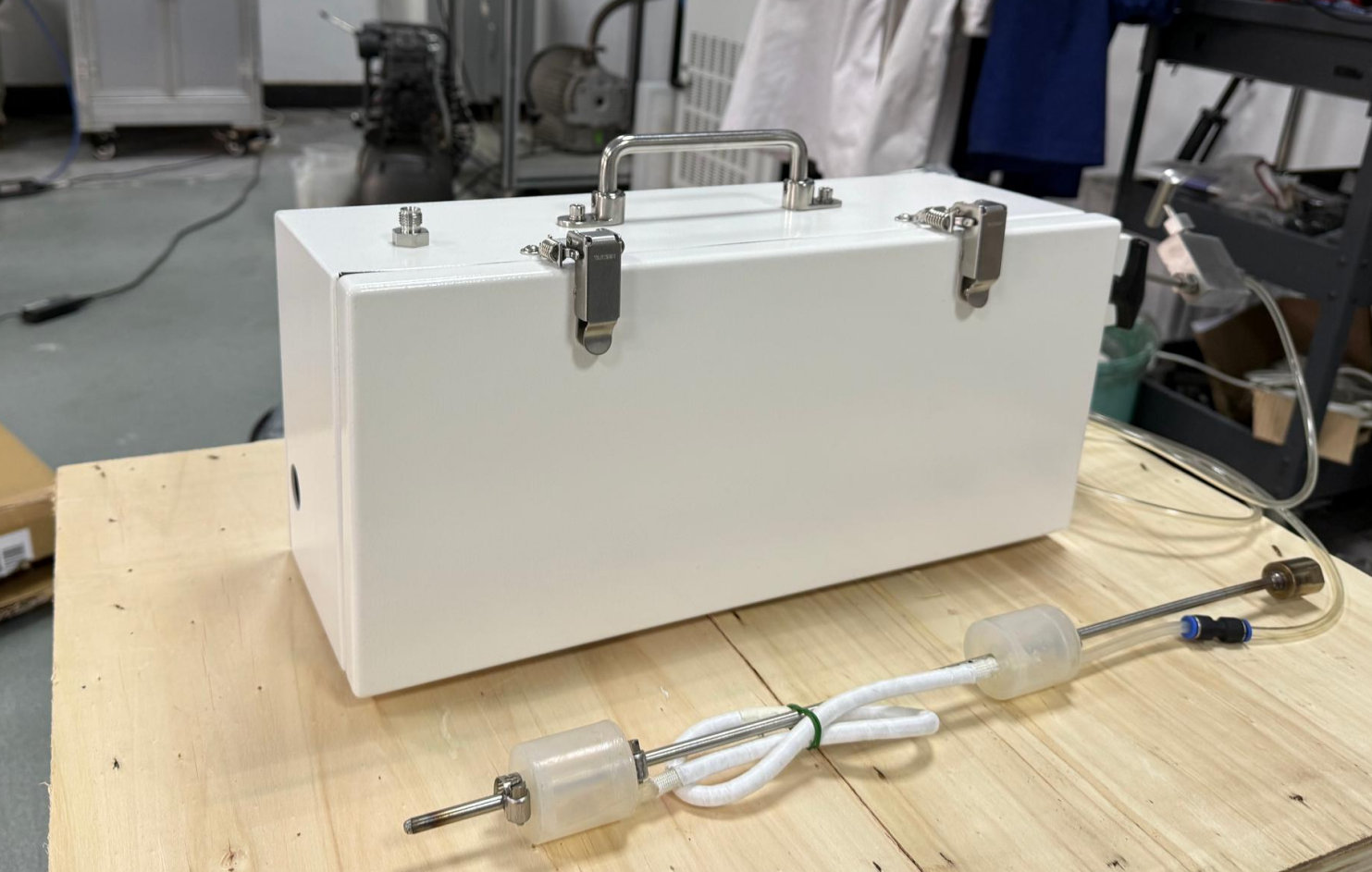
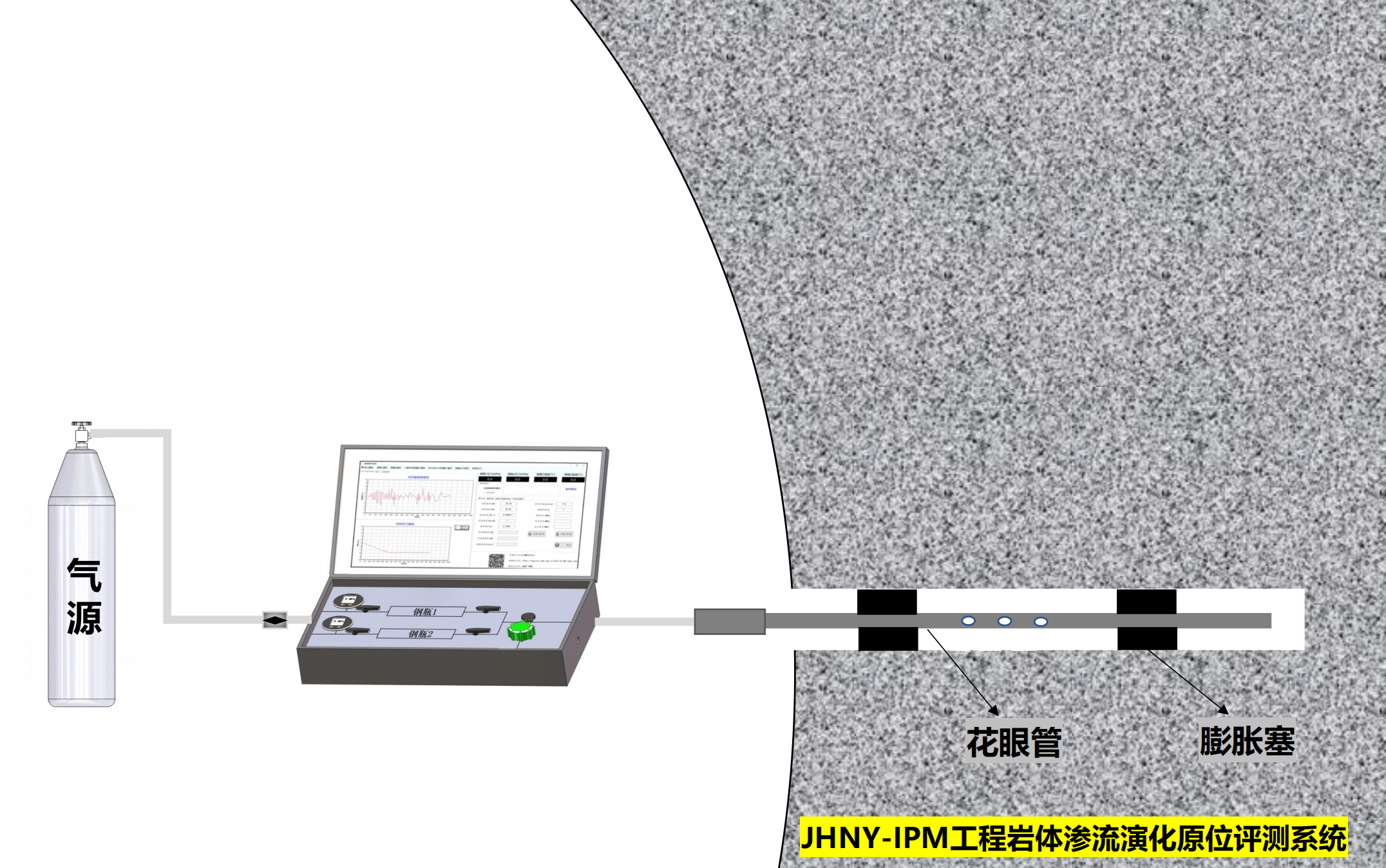
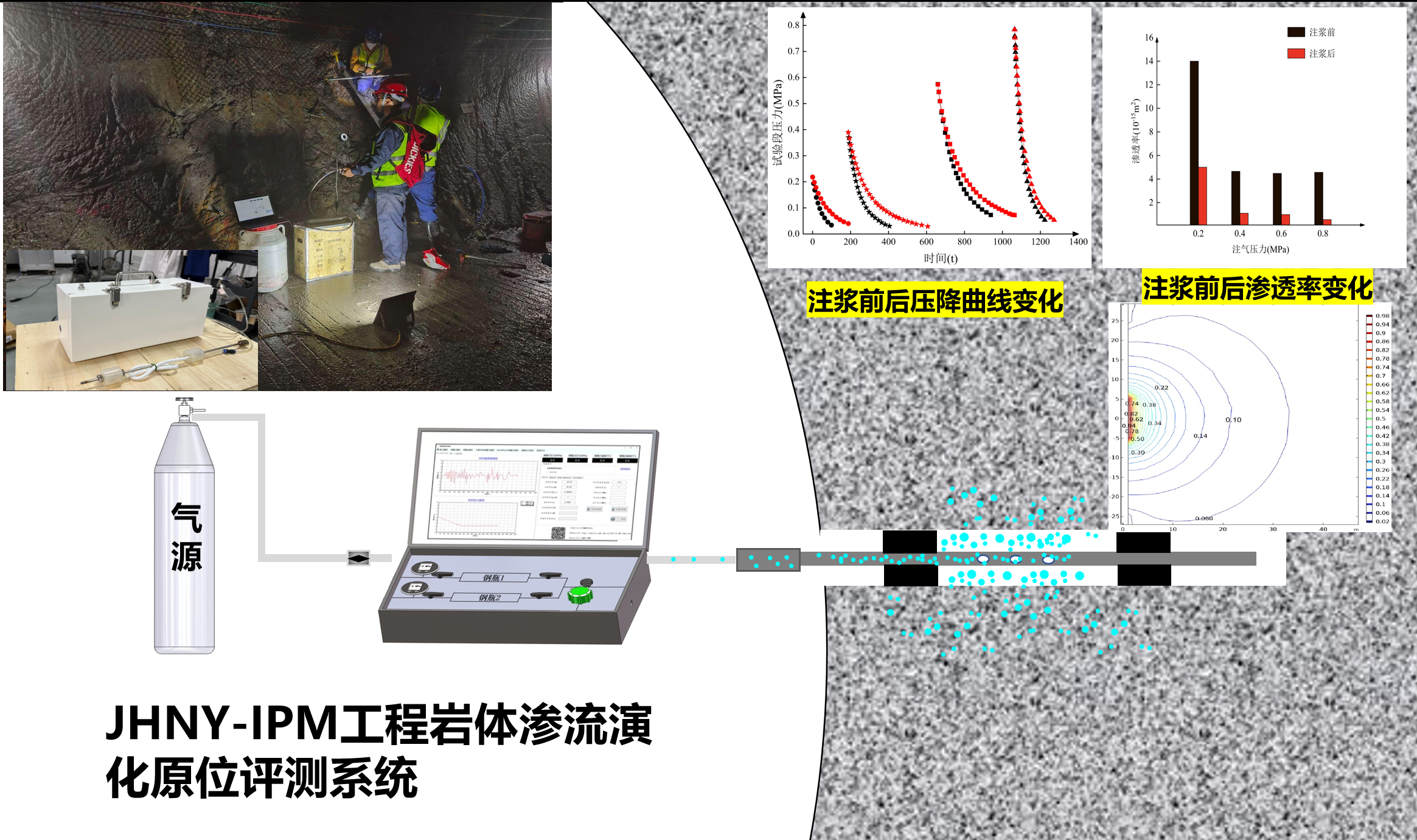
This system was independently developed for in-situ evaluation of fluid transport characteristics in engineering-scale rock masses.
It enables measurement of key parameters including pressure attenuation, gas permeability, and gas breakthrough pressure.
Combined with JHNY-DPM™ and JHNY-LPM™ systems, it establishes a cross-scale permeability evaluation framework integrating microscopic pore structure, core-scale properties, and engineering-scale in-situ behavior.
Main Technical Specifications
Material Overview
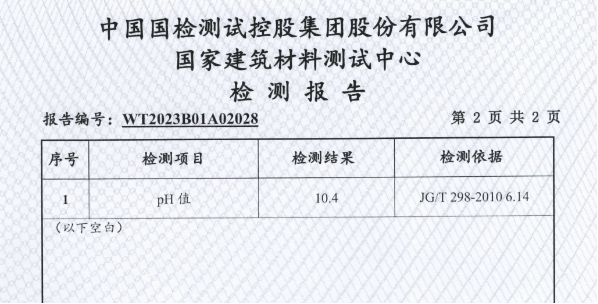
JHNY-LPH™ is a low-pH high-performance grouting material developed for deep underground engineering applications.
It is classified into conventional and ultra-fine types.
The conventional type has:
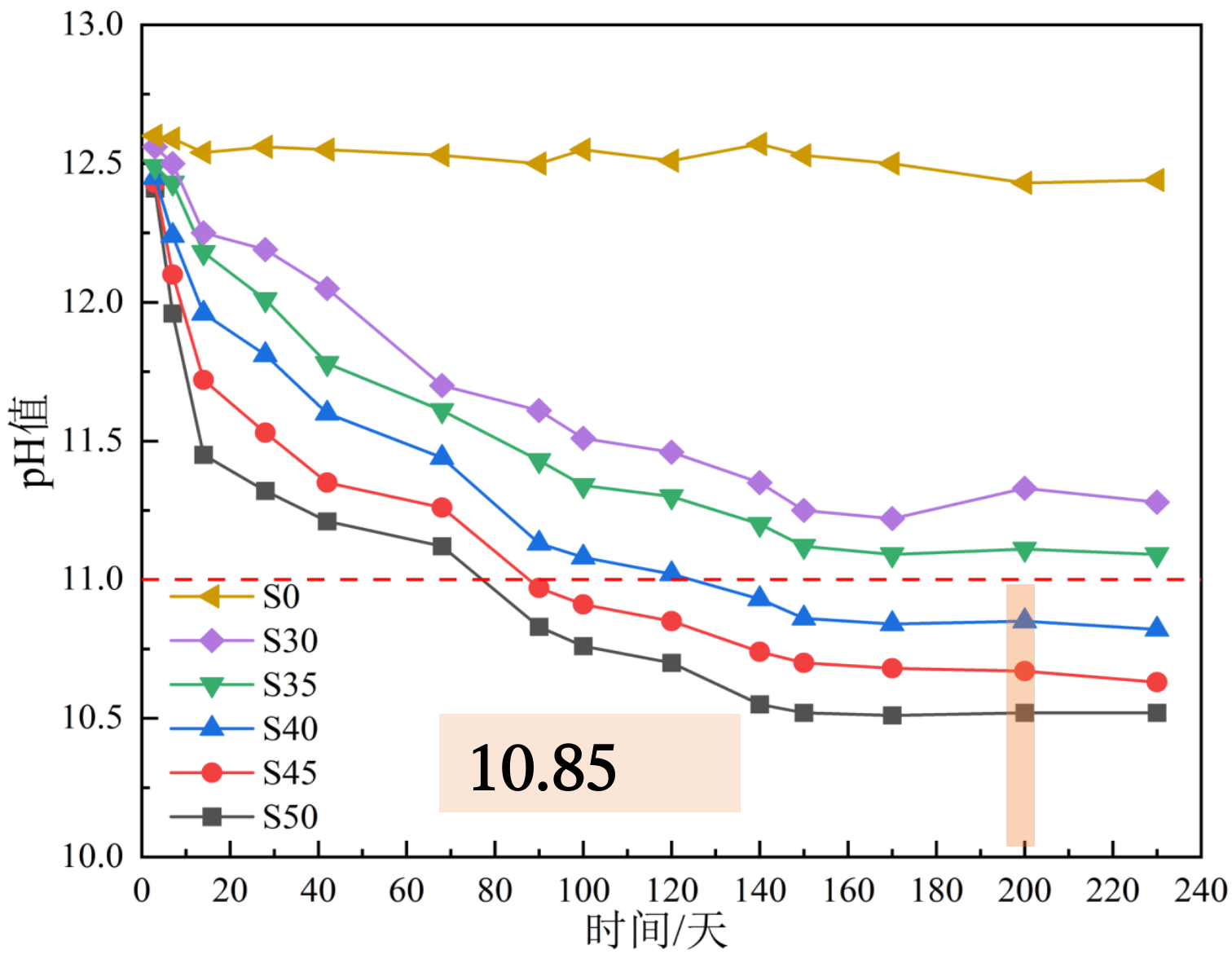
- pH value after 133 days: <11;
- 28-day compressive strength: 11.59 MPa;
- Injectable fracture aperture: <200 μm.
The ultra-fine type has:
- pH value after 120/200 days: approximately 11.0/10.85;
- 28-day compressive strength: 12.04 MPa;
- Injectable fracture aperture: <50 μm.
The material has been successfully applied in underground engineering laboratories and addresses the adverse effects of highly alkaline grouting materials on argillaceous and clay-bearing rocks.
Main Technical Specifications
Conventional low-pH grouting material:
1. pH value after 133 days: <11.
2. 28-day compressive strength: >11 MPa.
3. Injectable fracture aperture: <200 μm.
Ultra-fine low-pH grouting material:
1. pH value after 133 days: <11.
2. 28-day compressive strength: >11 MPa.
3. Injectable fracture aperture: <50 μm.